From the first experiments on the kitchen table to copper stills at Oremandsgaard and cask-aged whisky in the loft.
2016
The copper still that wasn't meant to be
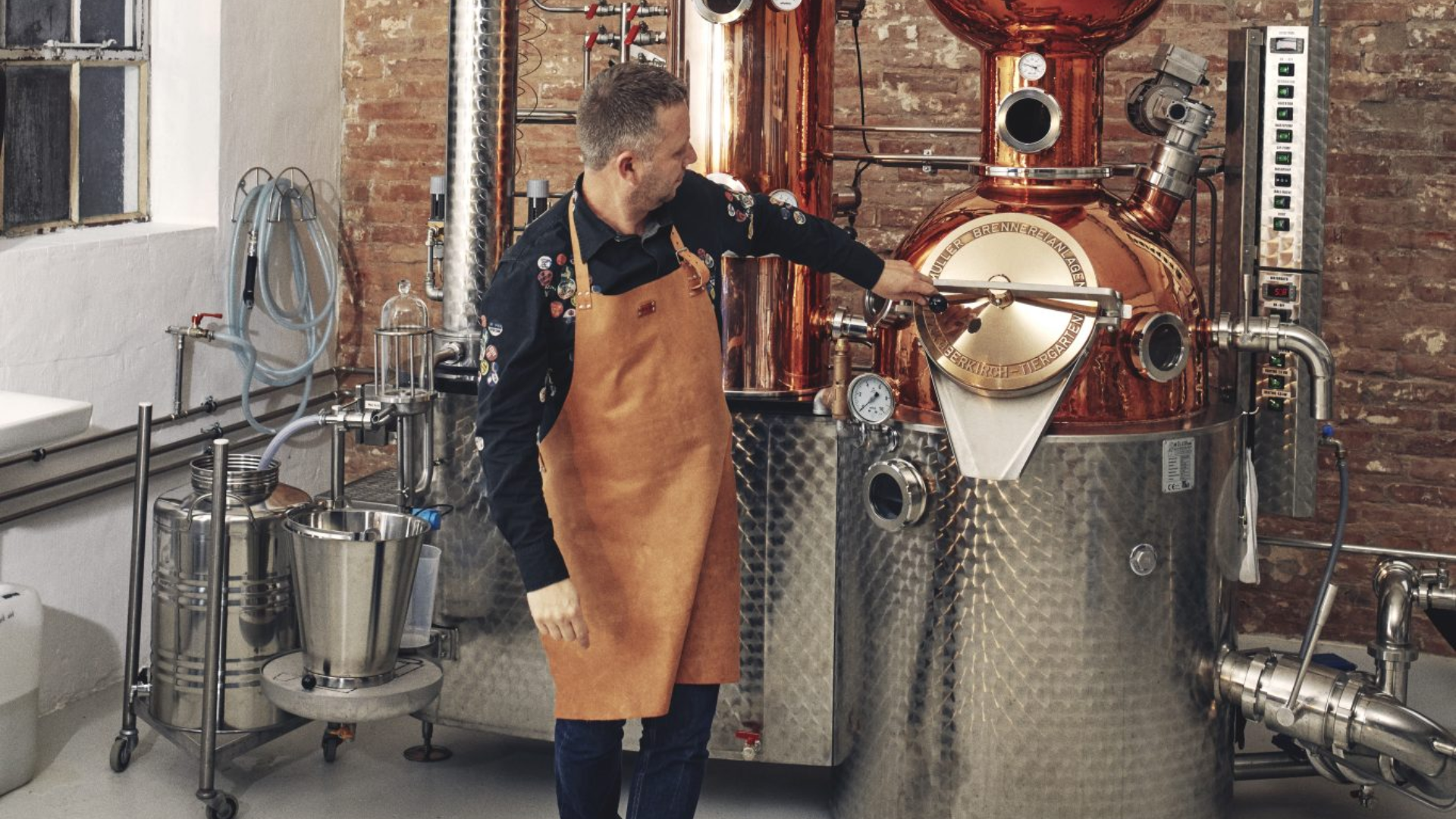
It was never really the plan for the two colleagues Kristian and Flemming to buy a copper still – they were only going to look. But they got carried away and shook hands with Müller Sr. on a 200-litre still – and that kind of deal you can’t back out of. It was named Ellen after Kristian’s grandmother.
But what about the rather expensive equipment they had just bought? Where would it go, and who would run it? Those questions came up more than once on the drive from Tiergarten back to Denmark. Both were short on time: Flemming was Vice President at Ferrosan, and Kristian worked there as a Formulation Specialist. The answer was less sleep – in the early years all the gin was made late at night and could fairly be called moonshine.
The first still, Ellen.
2016
The first batch
It started at home on Kristian’s kitchen table with lab equipment “borrowed” from work. The result was a gin that tasted far better than expected – especially the experiments with apple, which gave just the right balance. Once the still arrived from Germany, Kristian and Flemming began exploring its potential systematically.
With a background in the pharmaceutical industry, they assessed every batch as a recipe – and that is still how we tell our many gins apart today. With batch 18 we hit on something we felt had international weight: Holsteiner Cox, rose petals, fennel and lemon peel. We sent it to the San Francisco World Spirits Competition, and two months later the answer came: a silver medal. From then on things took off – and suddenly having day jobs became a problem, with couriers turning up at all hours to collect or deliver.
The kitchen table where it all began.
2018
From surplus apples to a shared project
On 18 September 2018 the newspaper Sjællandske ran a story about the new generation at Oremandsgaard wanting to make calvados from the apple juice that for years had gone to Danish Michelin restaurants. A colleague who knew about Kristian and Flemming’s night shifts showed them the article.
They got in touch with August – and it quickly turned out that the passion for apples, raw ingredients and spirits was shared. Together they agreed that August and Oremandsgaard should be part of Radius and vice versa. The old manor stable was chosen as the distillery’s new headquarters.
Alfred shares his name with the estate’s own apple variety, Alfred Hage – named after his great-great-grandfather.
2019
The horse stable becomes a distillery
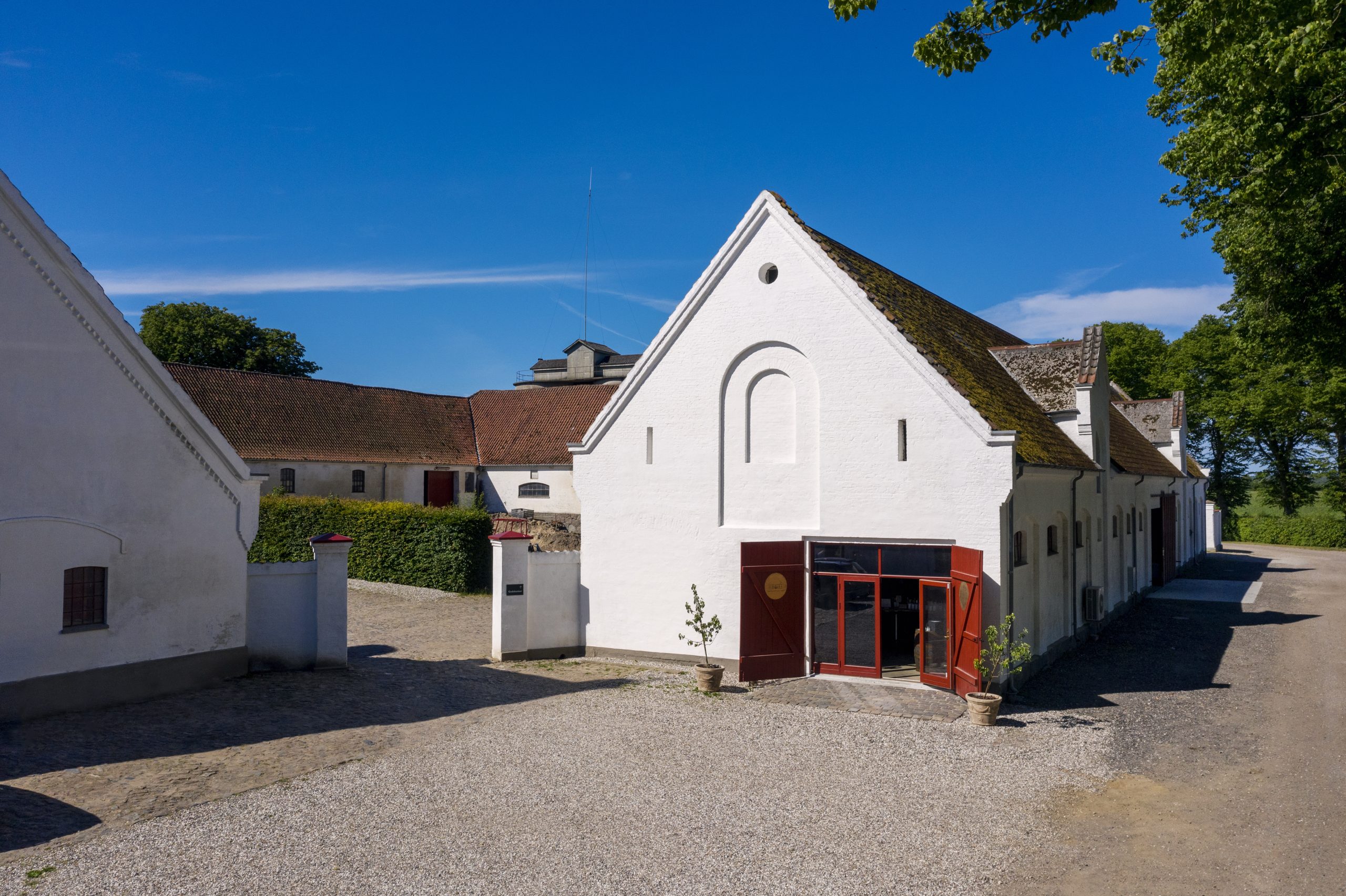
The old manor stable at Oremandsgaard Gods became the distillery's new home – with room for stills, a cask loft and a shop.
The horse stable at Oremandsgaard Gods.
2019
The apple adventure
Our first year at Oremandsgaard brought the worst apple harvest ever: the normal 15 tonnes became around 2 tonnes. So we set up a scheme for our neighbours in South Zealand, where every kilo of garden apples handed in earned 1% off a bottle of gin or apple brandy.
We expected 1–2 tonnes. Imagine our surprise on the first drop-off day, when one trailer after another came rolling up the avenue. By the end of the season, 36 tonnes of garden apples had been handed in.
Garden apples from all over South Zealand.
2020
Whisky from our own harvest
Moving to Oremandsgaard brought a natural ambition to make whisky. The estate was built on a fortune from trading malting barley in the 1800s, and every raw ingredient is close at hand: the water comes from our own spring, and we sow and harvest the barley ourselves.
Out on the furthest salt meadows there is also salty reed peat, which we smoke over apple wood chips from the yearly pruning of the orchard.
Harvest in the fields around the distillery.
2021
The orchard is planted
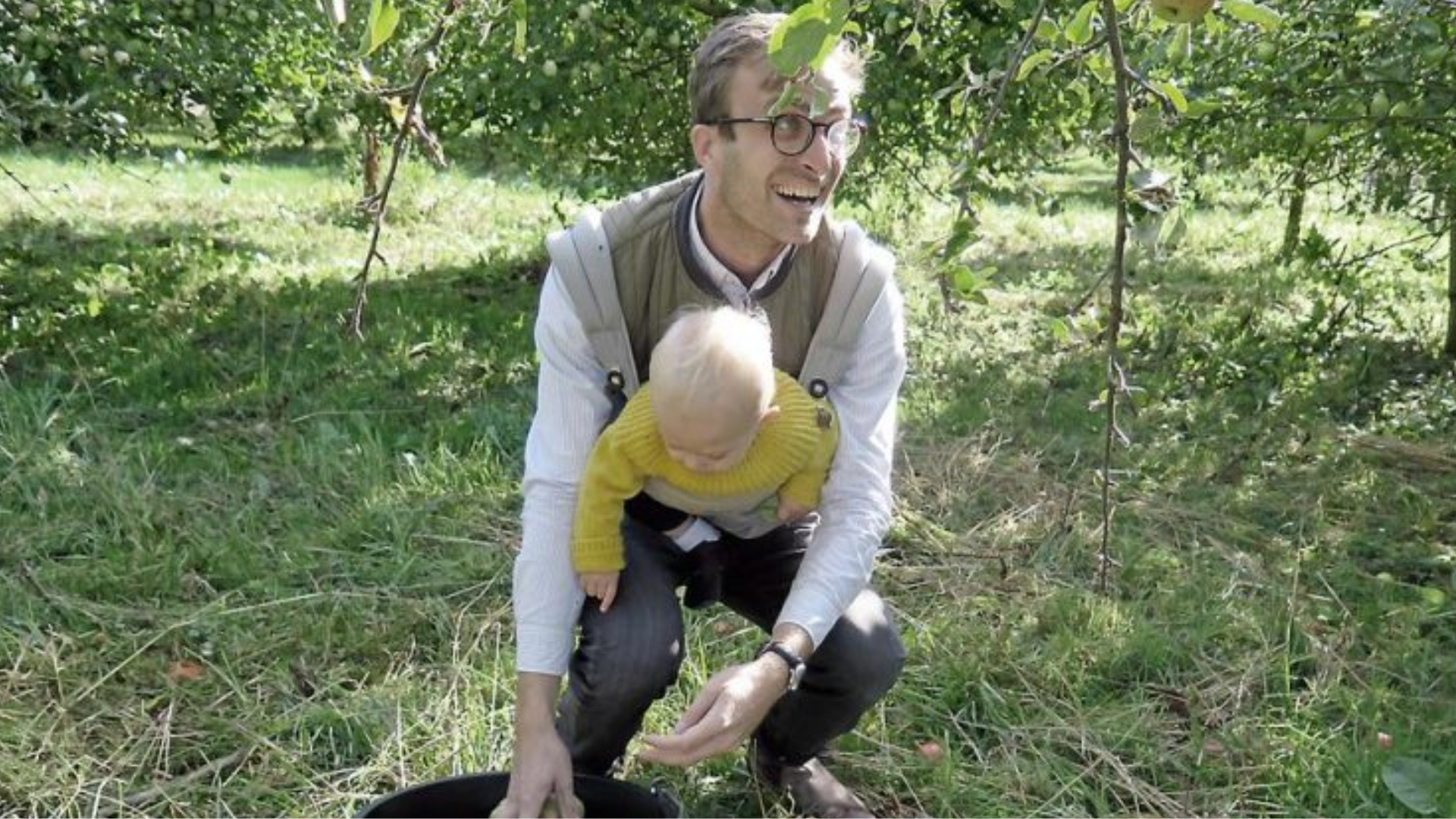
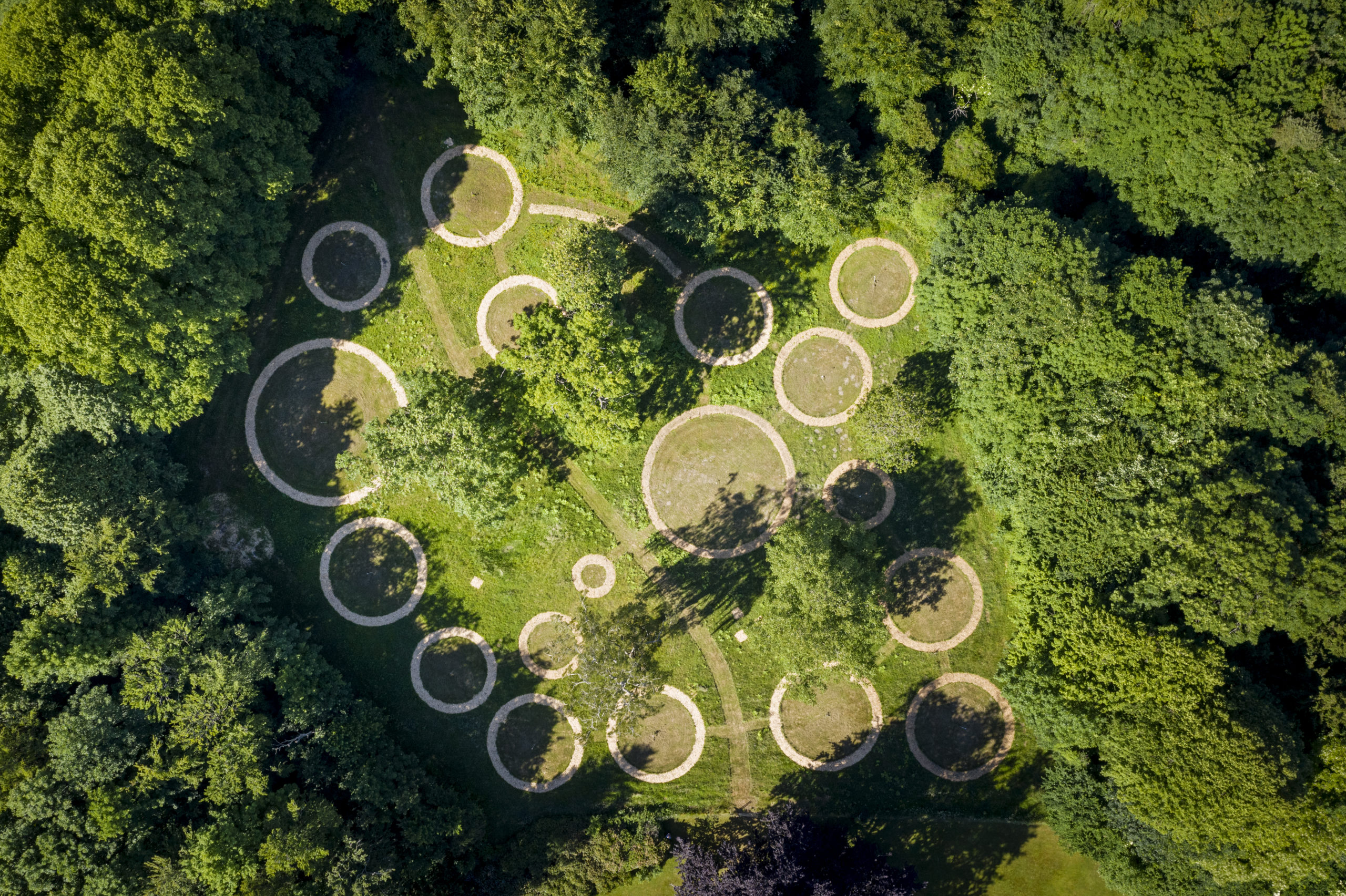
Apples have always been central to our gin and spirits. The estate has had an old apple orchard since 1997, and in 2018 we planted more to see how we could keep working with the old apple varieties. In 2021 we went all the way and planted the large orchard: 12 hectares with 17 old Danish apple varieties, plus a small pomarium planted together with Rune Bosse close to the distillery. Here the raw material grows right where it is later transformed in the stills.
The orchard at Oremandsgaard.
2023
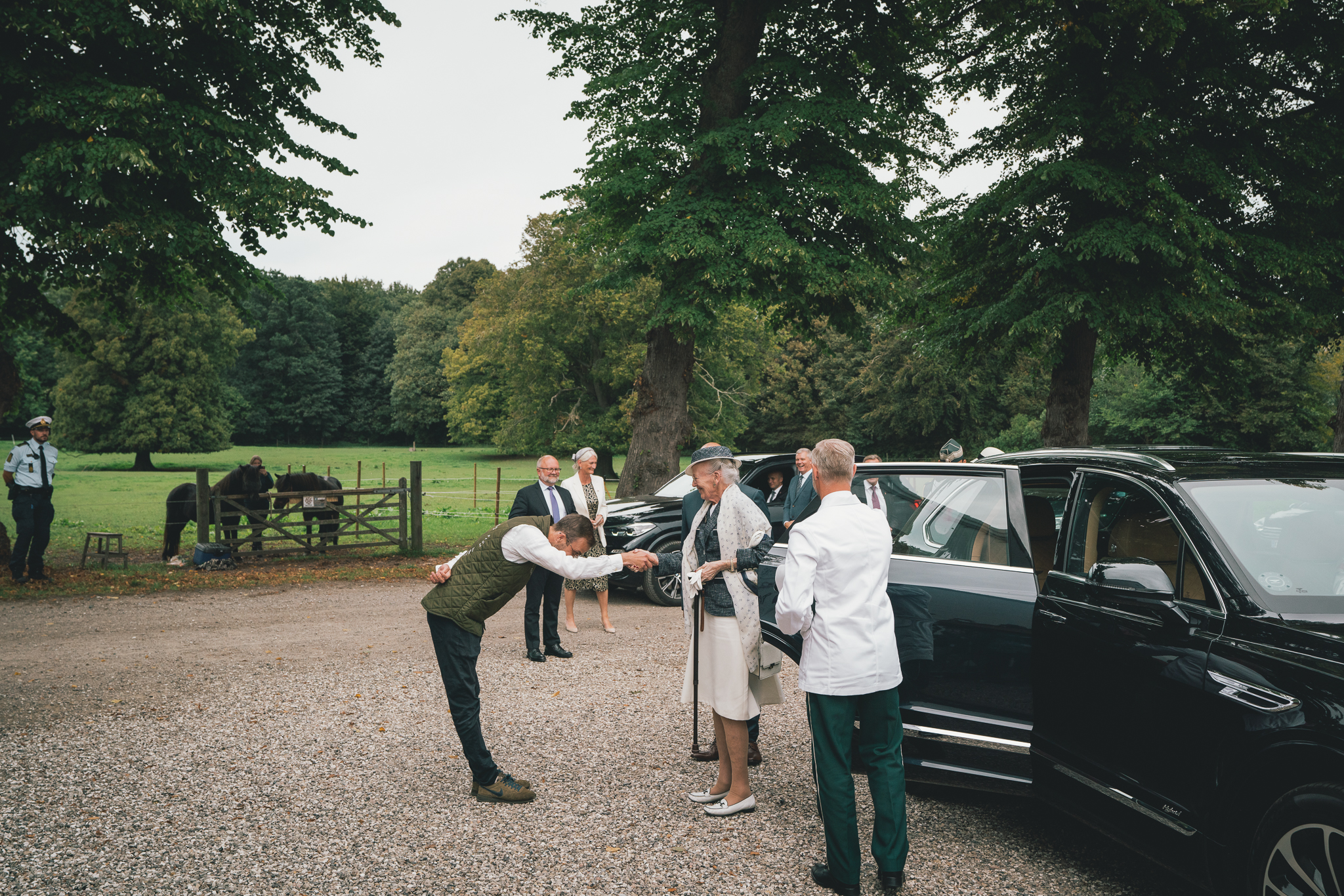
A royal visit
During the Queen's visit to Vordingborg Municipality, we had the great pleasure of welcoming Her Majesty Queen Margrethe to the distillery.
H.M. Queen Margrethe arrives.
We've only just begun
The next chapters are about whisky, innovation and working even more closely with the nature around us.